Automatic Solar Tracker Single Multi Axis Increase Efficiency

Still deciding? Get samples of $ !
Order Sample

Product Description

Basic Specifications

Model NO.
WTT-2P
Certification
ISO, CE
Material
Aluminum Alloy
Type
Ground Bracket
Install Site
Open Terrain
Anti-Corrosive
Anodized
Max Wind Speed
60m/S
Max Snow Load
1.6kN/M²
Duration
More Than 20 Years
HS Code
7610900000

Product Description

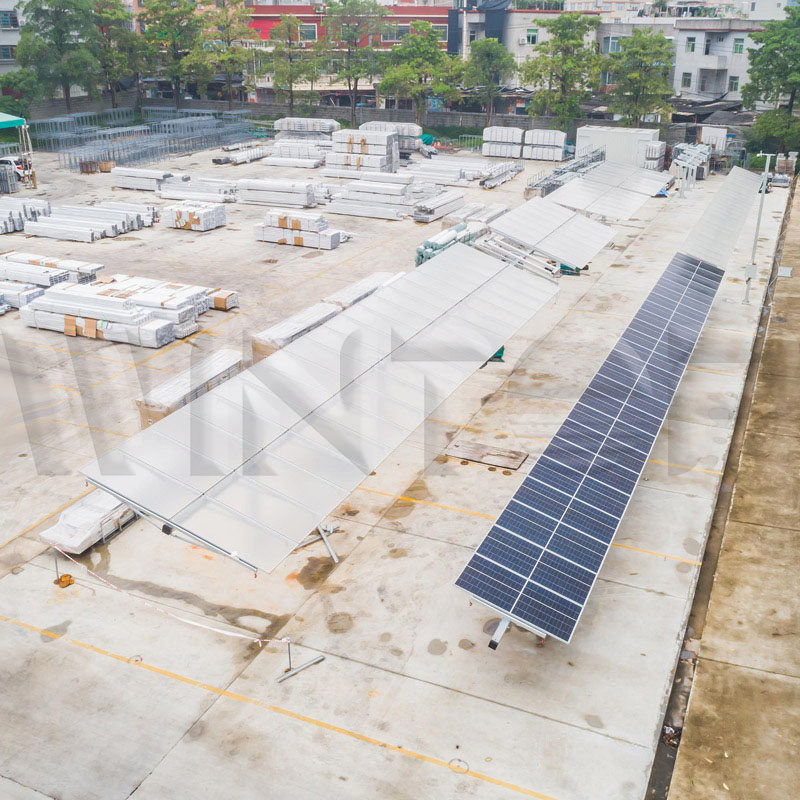
Single Axis Solar Tracker with Slew Drive
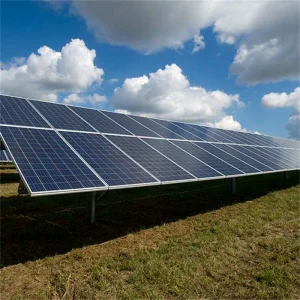
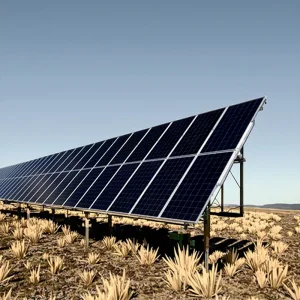
The solar tracking system is an advanced solution that optimizes the use of sunlight during the process of solar thermal and photovoltaic power generation. By tracking the sun's path, it significantly improves the efficiency of photoelectric conversion.

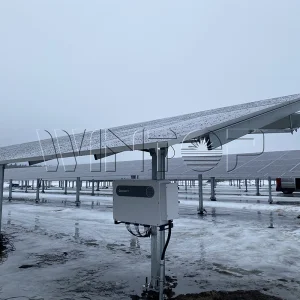
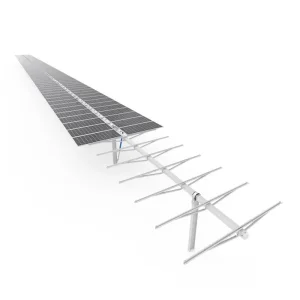
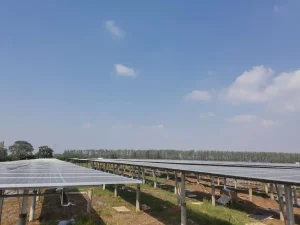
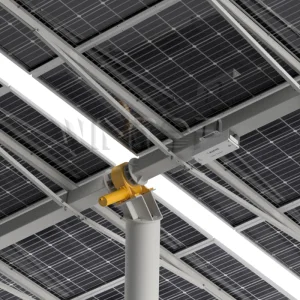
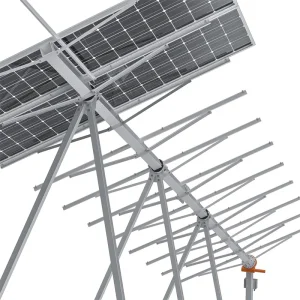
This Multi-drive double portrait horizontal single-axis solar tracker adopts a multi-actuator drive mode. The system is engineered to be quick and easy to install, offering a stable and reliable performance suitable for a variety of large-scale solar power stations.

Technical Parameters

System Specifications
PV-Modules SupportedFully fit for 210 module
System TypeOne portrait horizontal single-axis tracker
Maximum Capacity per Row72kWp (Estimated with 600W PV-Modules)
Tracking Range±60° (Customized according to project)
Tracking Accuracy±1°
Structural MaterialsHDG Steel, Al- Mg-Zn Coating Steel
Tracking MethodAstronomical algorithm + closed-loop control (AI)
Drive MethodSlew Drive
Motor Type24V DC Motor
Wind LoadCustomized according to local condition
Operating Temperature-30°C ~ +60°C
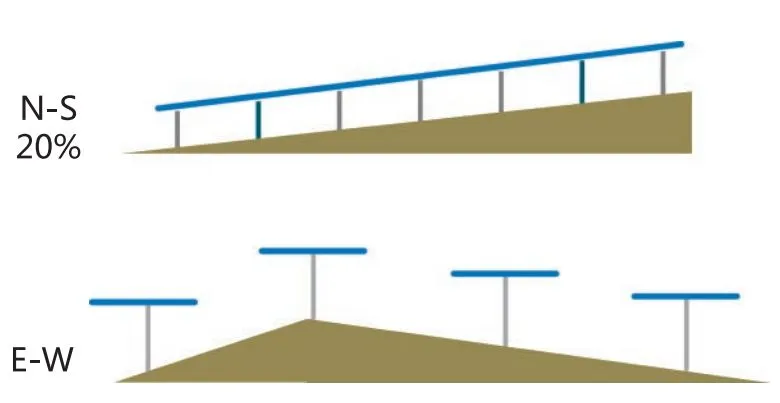
Slope ToleranceNorth-south 10%~20%, East-west no limits
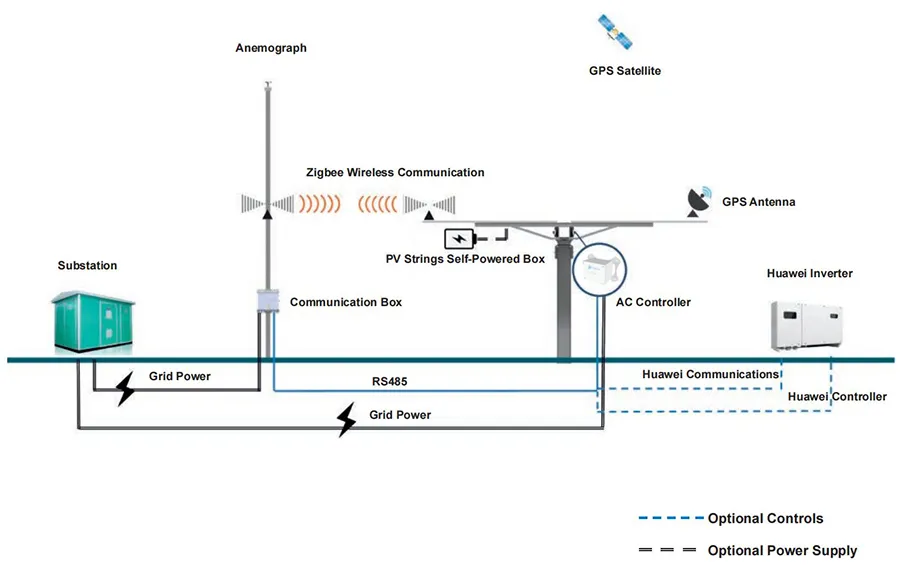
Electrical Principle & Structure
Electrical Principle
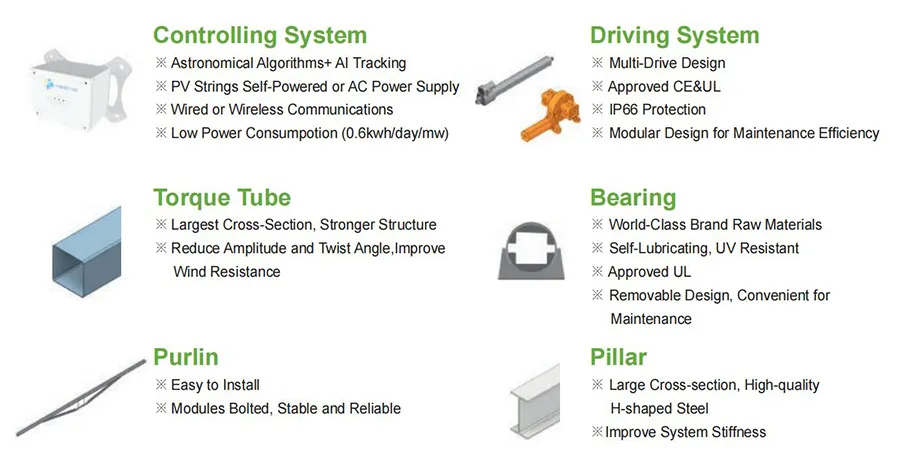
Structure Components

Features & Benefits

  • Fully fit for 210 large-format modules
  • Intelligent AI algorithm to optimize energy capture
  • High terrain adaptability (up to 20% N-S slope)
  • Reduced maintenance and easy installation
  • 15-30% increase in power generation compared to fixed systems
  • Stable and reliable multi-drive operation
CPP Wind Tunnel Testing

The tracking system has undergone rigorous testing through partnerships with leading wind engineering services. By analyzing frequency and damping ratios, the system is optimized against resonance, flutter, and torsional divergence caused by aerodynamics, ensuring stability in high-wind environments.
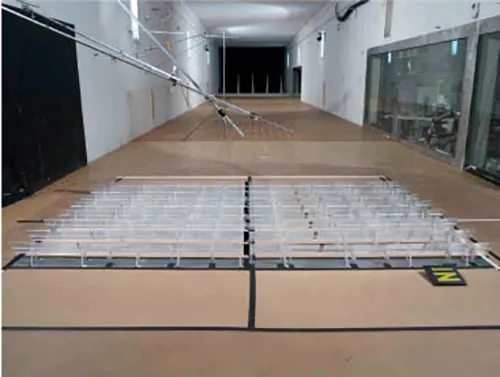
Wind Tunnel Test
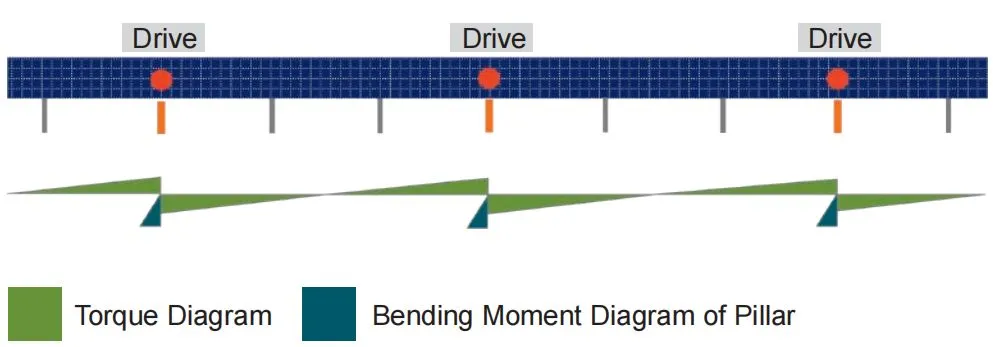
Multi-drive System Advantages
Traditional System

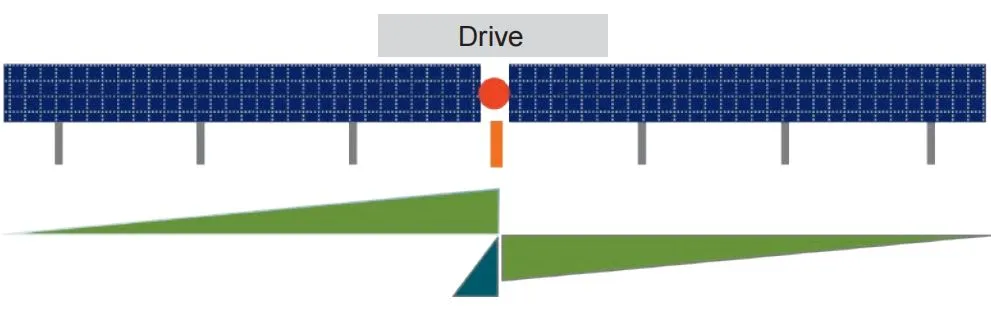
Traditional Single-drive

WTT Multi-drive System

Advanced Multi-drive System

  • Reduce module amplitude by 50%
  • Reduce force on driving pillars by 50%
  • Optimized wind resistance system
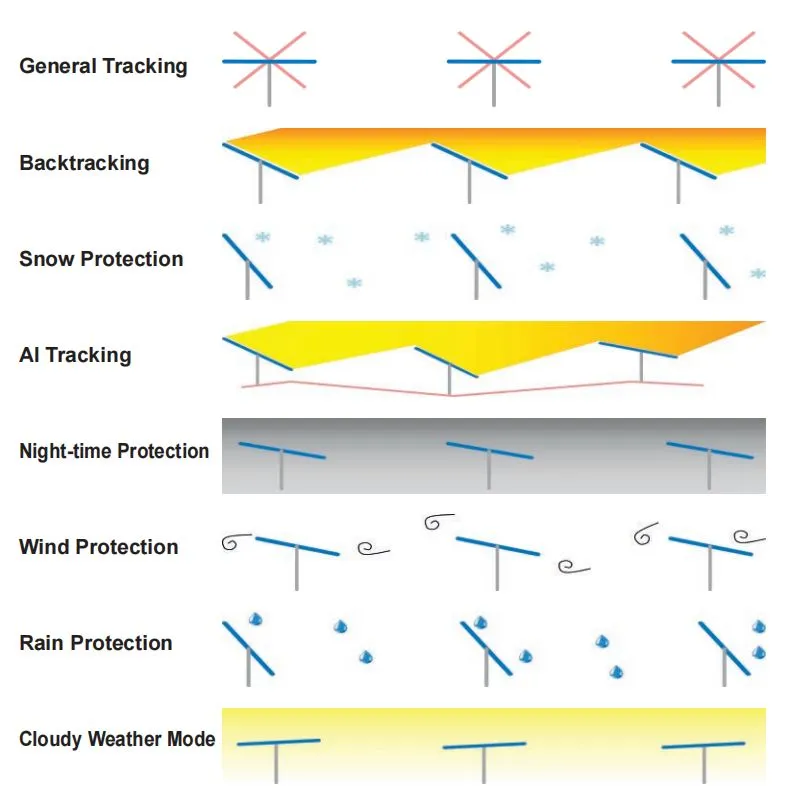
Operating Mode & Terrain Adaptation
Operating Mode
Terrain Adaption
Land Utilization
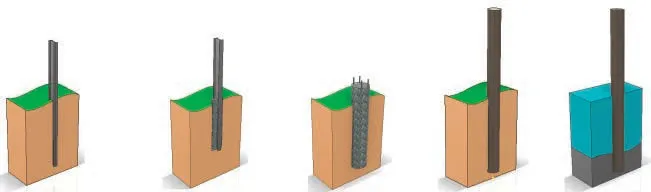
Foundation Options
Foundation Type Application Connection
Steel PilesSoft GroundDirect Ramming
Concrete with PilesSoft GroundRamming + Concrete
Poured ConcreteGravel GroundAnchor Bolt
PHC PilesAgriculture / Fishery PVPile-Top Welding
Foundation Types
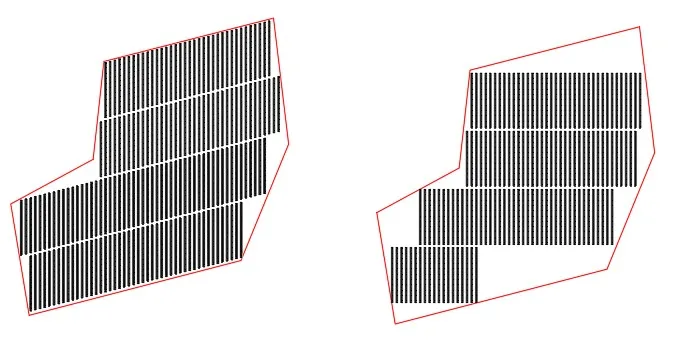
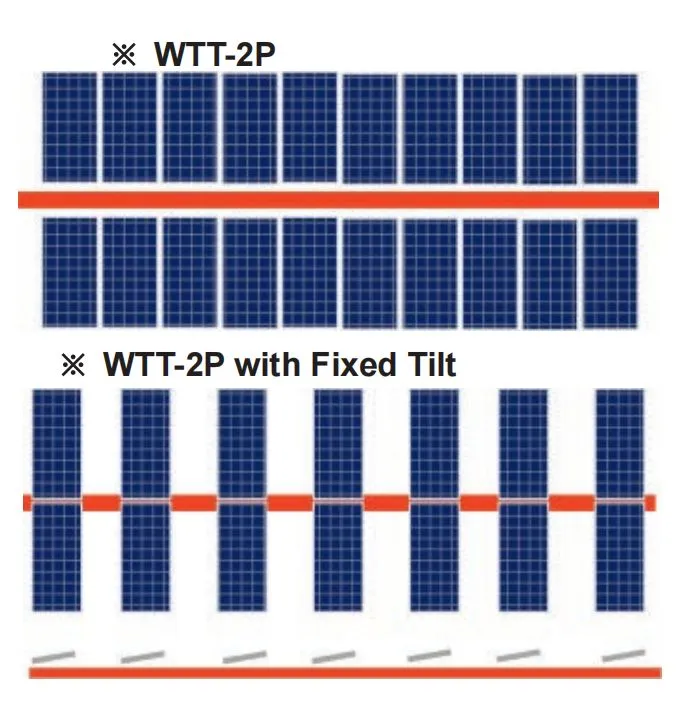
Module Array Proposal

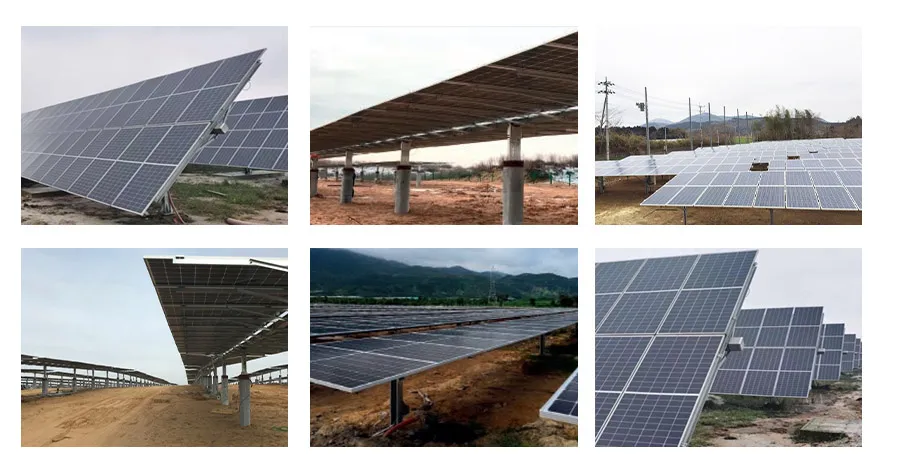
Global Projects

Solar Project

Frequently Asked Questions

Q1: What is the primary benefit of using a solar tracker?
A1: The primary benefit is the optimization of sunlight capture, which can increase overall power generation by 15% to 30% compared to traditional fixed-tilt mounting systems.
Q2: How does the system handle high wind speeds?
A2: The system is designed for a maximum wind speed of 60m/s. It includes a wind protection mode that automatically rotates the modules to a safe horizontal position when wind speeds exceed 18m/s.
Q3: Is the system compatible with large-format 210mm solar modules?
A3: Yes, the tracking system is fully compatible and optimized for 210mm solar modules, supporting both landscape and portrait orientations.
Q4: What kind of maintenance is required for the solar tracker?
A4: The system is designed for easy maintenance with stable slew drive technology. It also features a self-diagnosis system that identifies faults automatically, minimizing downtime.
Q5: Can this tracker be installed on uneven or sloped terrain?
A5: Yes, the system offers high terrain adaptability, allowing for a North-South slope of 10% to 20%, and has no limits on East-West slopes.
Q6: What materials are used to prevent corrosion?
A6: The structure utilizes high-quality Anodized Aluminum Alloy, HDG Steel, and Al-Mg-Zn Coating Steel to ensure a duration of more than 20 years in outdoor environments.

Related Products